


With advanced rhythm analysis and near real-time visibility. Your heart doesn’t take a break—and neither do we. Zywie’s connected cardiac monitoring transforms every beat into actionable insight, enabling proactive care that adapts as patients’ needs evolve.
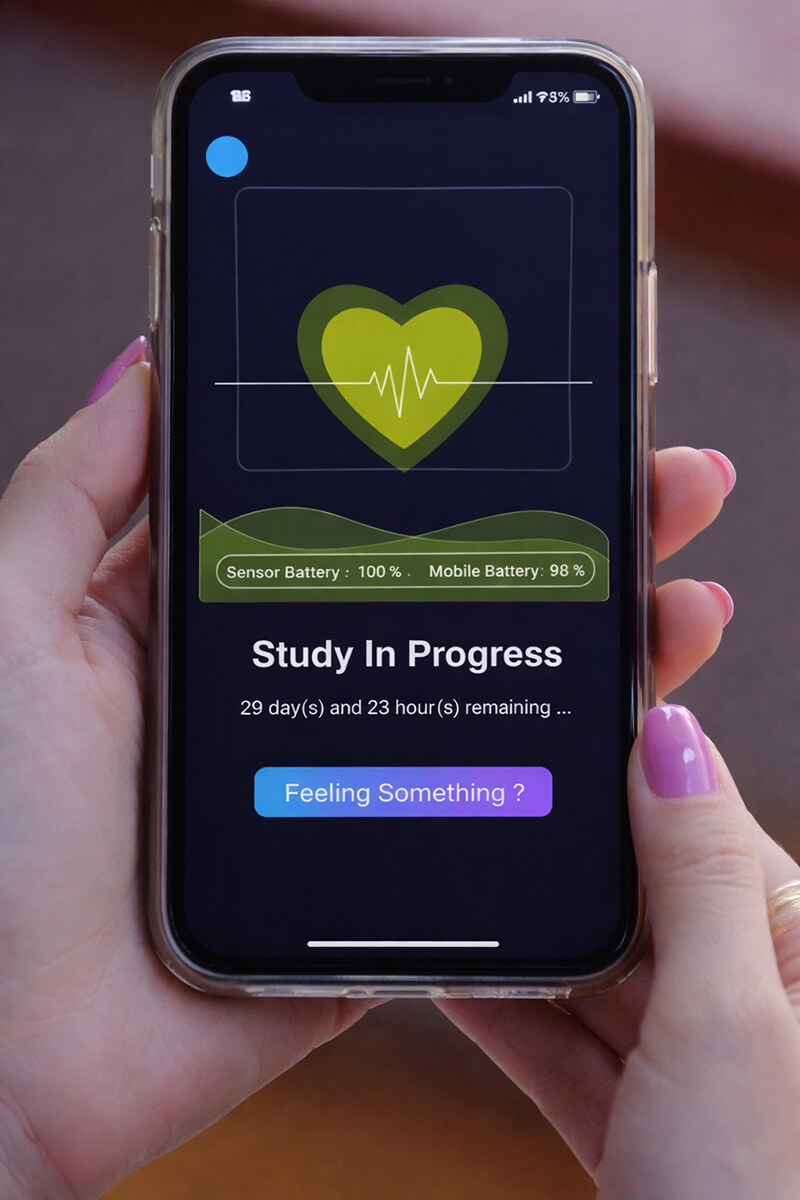
At Zywie, we deliver a seamless mobile experience designed to guide patients through their monitoring journey, providing uninterrupted data, clear insights, and confidence in their care.

Patients can easily log symptoms and activities, seamlessly pairing clinical events with ECG data to provide critical context for accurate interpretation.

Continuous data transmission allows Zywie to review patient data as it’s collected—often before the monitor is returned—supporting faster insight and clinical responsiveness.

Zywie’s concierge support team assists patients with onboarding, app setup, patch changes, and troubleshooting—driving compliance and reducing clinic burden.


Zywie provides next-generation remote cardiac monitoring that delivers faster reporting, improved diagnostic yield, and exceptional patient compliance. Our lightweight, wearable devices capture high-quality cardiac data to help uncover arrhythmias sooner, while seamlessly fitting into patients’ daily lives. For clinics, Zywie simplifies operations with streamlined device inventory management and full EMR compatibility, allowing cardiac data to flow effortlessly into existing workflows. The result is smarter insights, earlier diagnoses, and more efficient cardiac care.
Ambulatory ECG devices help physicians monitor heart rhythm issues outside the hospital. Unlike Holter monitors, which record for 24–48 hours, Mobile Cardiac Telemetry and Event monitors can track heart activity for up to 30 days. This study compares outcomes between shorter monitoring periods (1–14 days) and longer monitoring periods (15–30 days).
Over a 30-day period, the ZywieAI algorithm analyzed ECG data from 3,596 patients and identified 78,910 potential arrhythmia events, which were later reviewed by cardiac technicians and physicians. A retrospective analysis evaluated whether 57,192 key arrhythmias could be detected using single-channel (Lead II) data, and compared diagnostic yield between 14-day and 30-day monitoring periods.
In this study, wide complex tachycardia (WCT) was defined as a heart rate of ≥100 bpm for at least three consecutive beats, using reference annotations to locate episodes in ECG recordings. The ZywieAI® algorithm applies signal processing to remove artifacts, identify key signal points, and detect ectopic beats. It then calculates features from these signals and uses an AI-based classifier to determine true WCT episodes. The algorithm’s performance was evaluated at both the episode level and the recording level.
